What it is
A book arts practice
Beginner-friendly bookbinding education, traditional hand binding, and book repair and restoration — with thoughtfully selected tools and materials to follow later.
Book Arts · Education · Supplies
Book Makers Craft is a place to learn the craft of hand bookbinding, understand the tools and materials behind it, and bring damaged books back into use — taught patiently, from the bench, for people starting at the beginning.
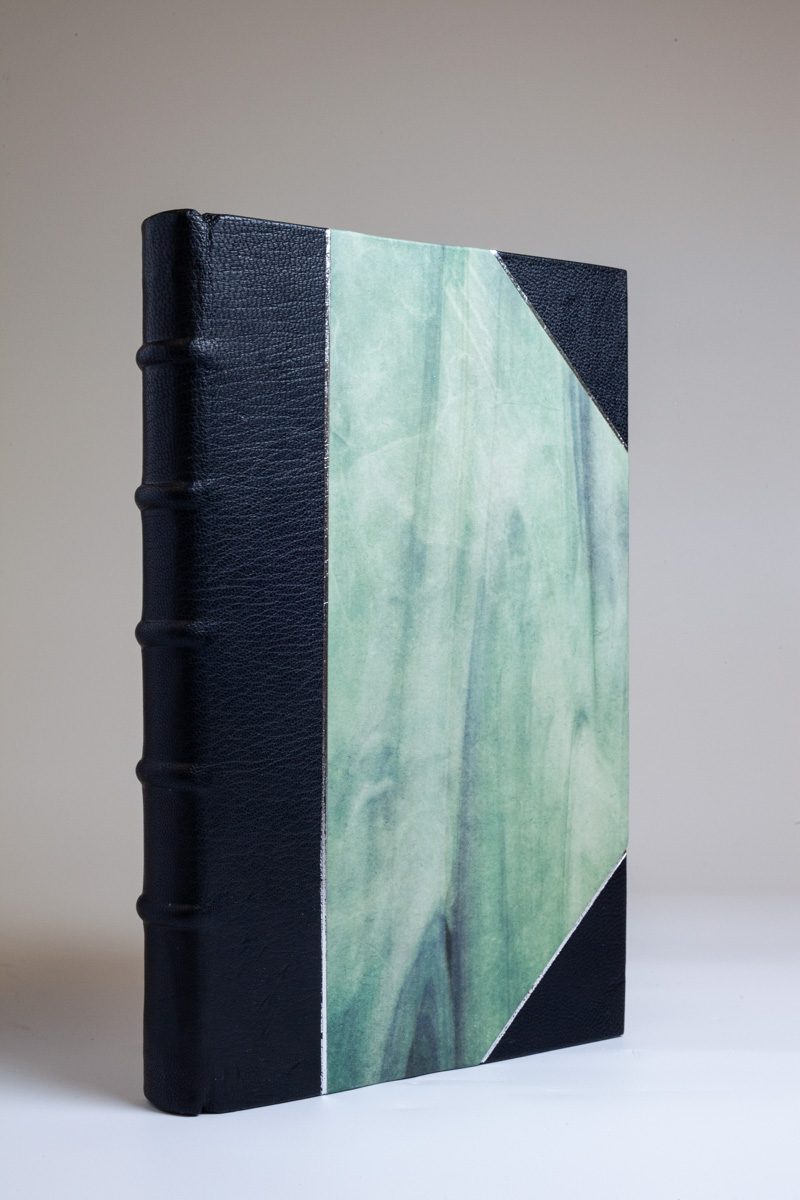
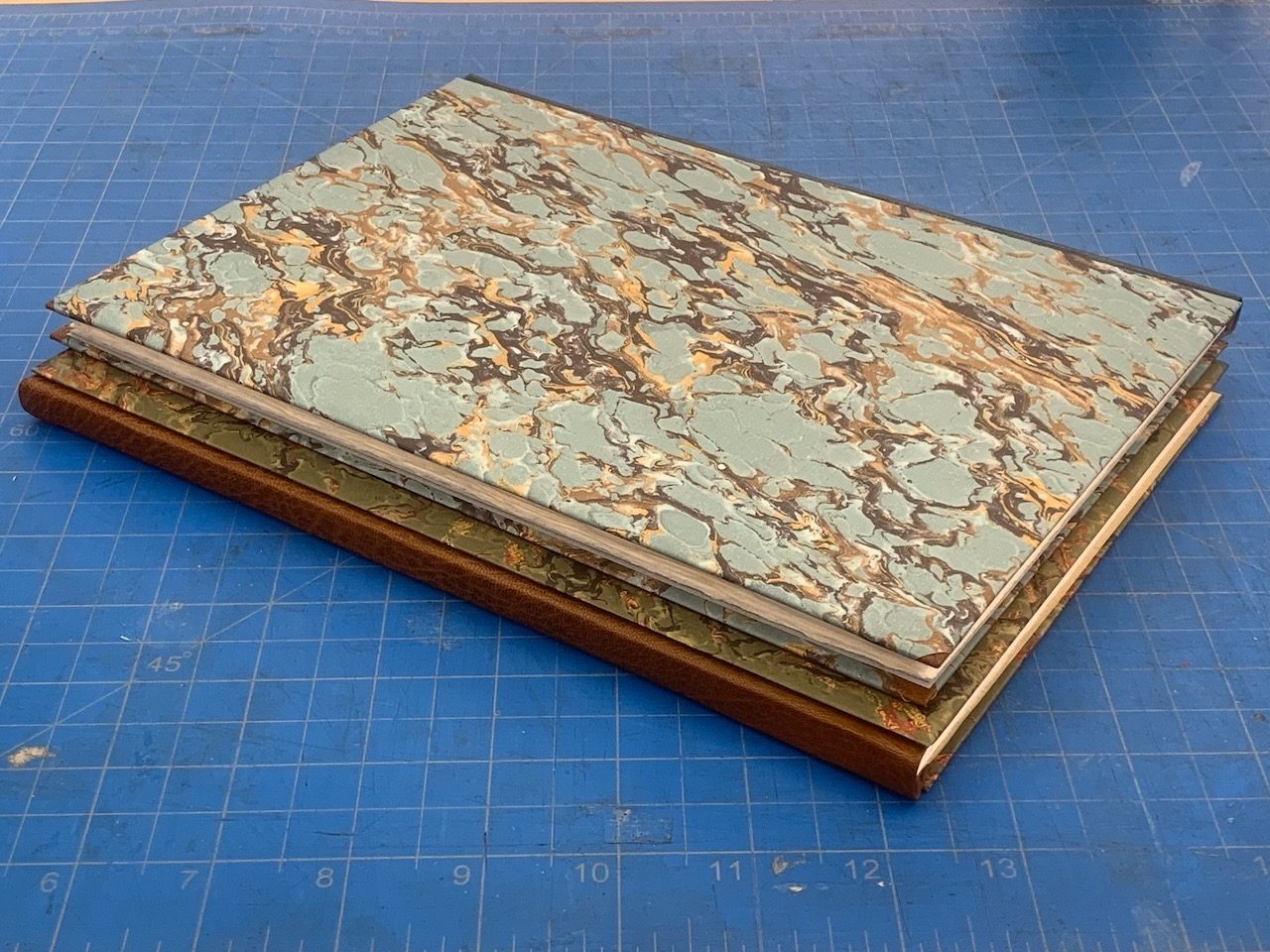
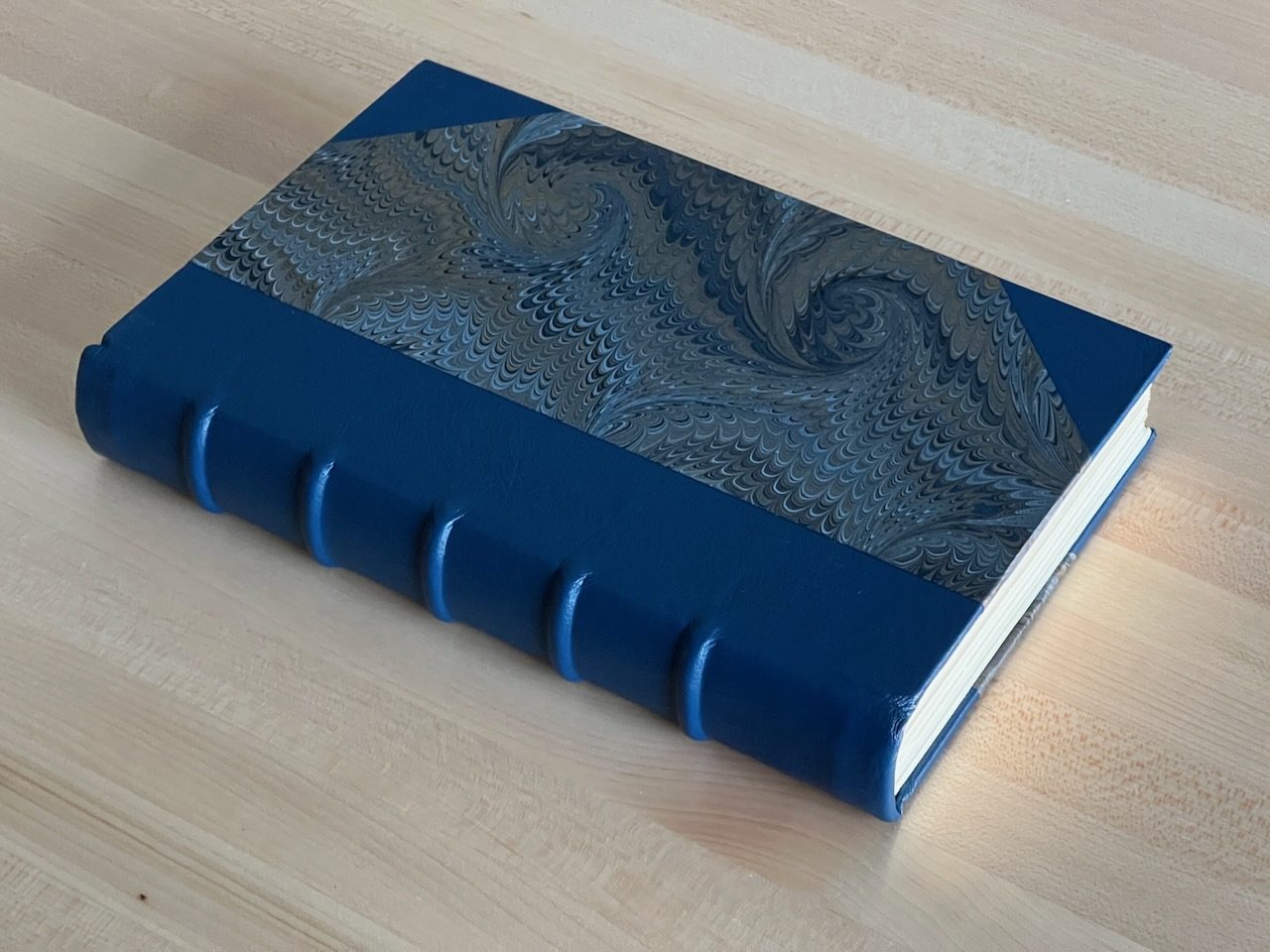
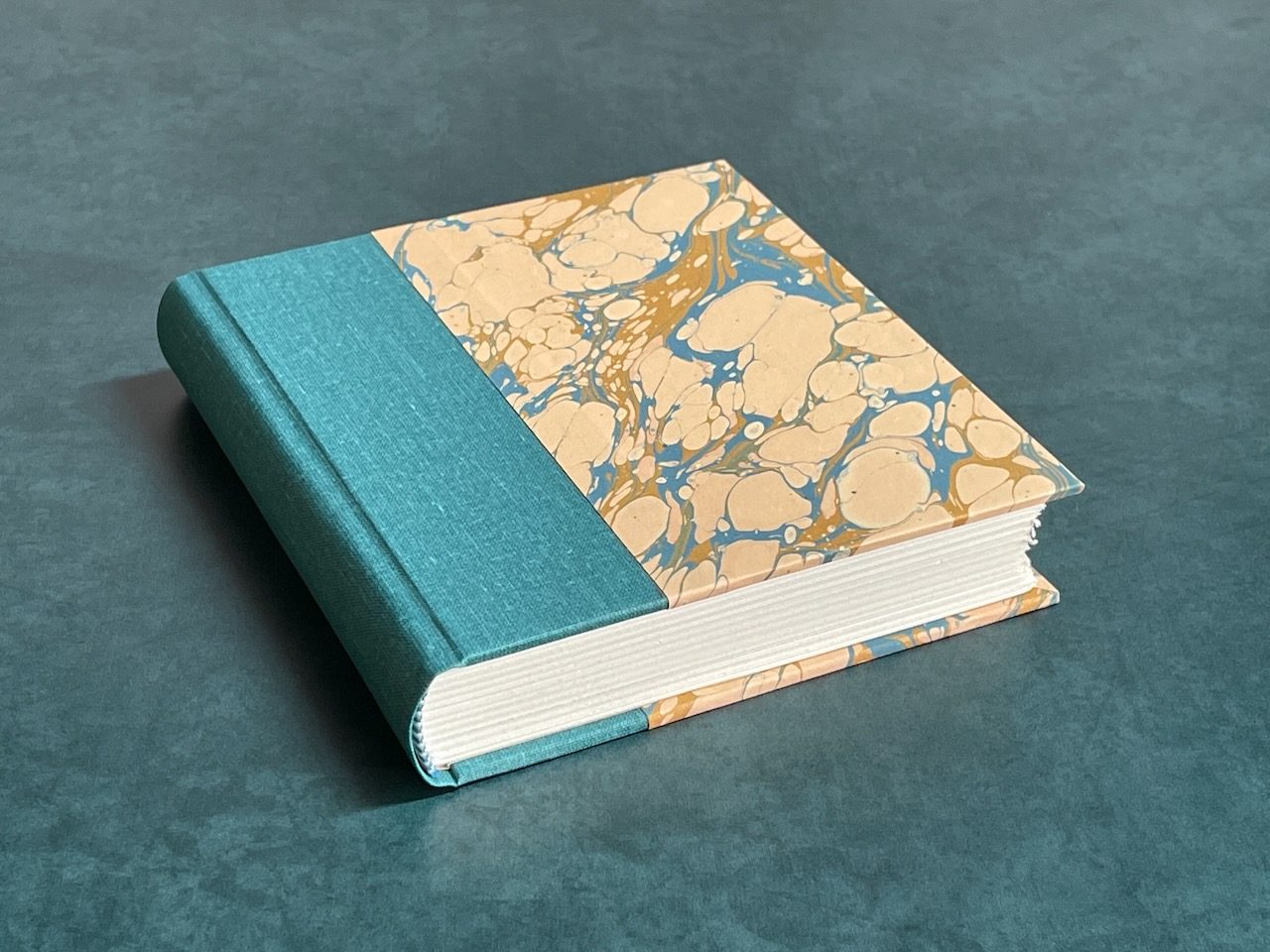
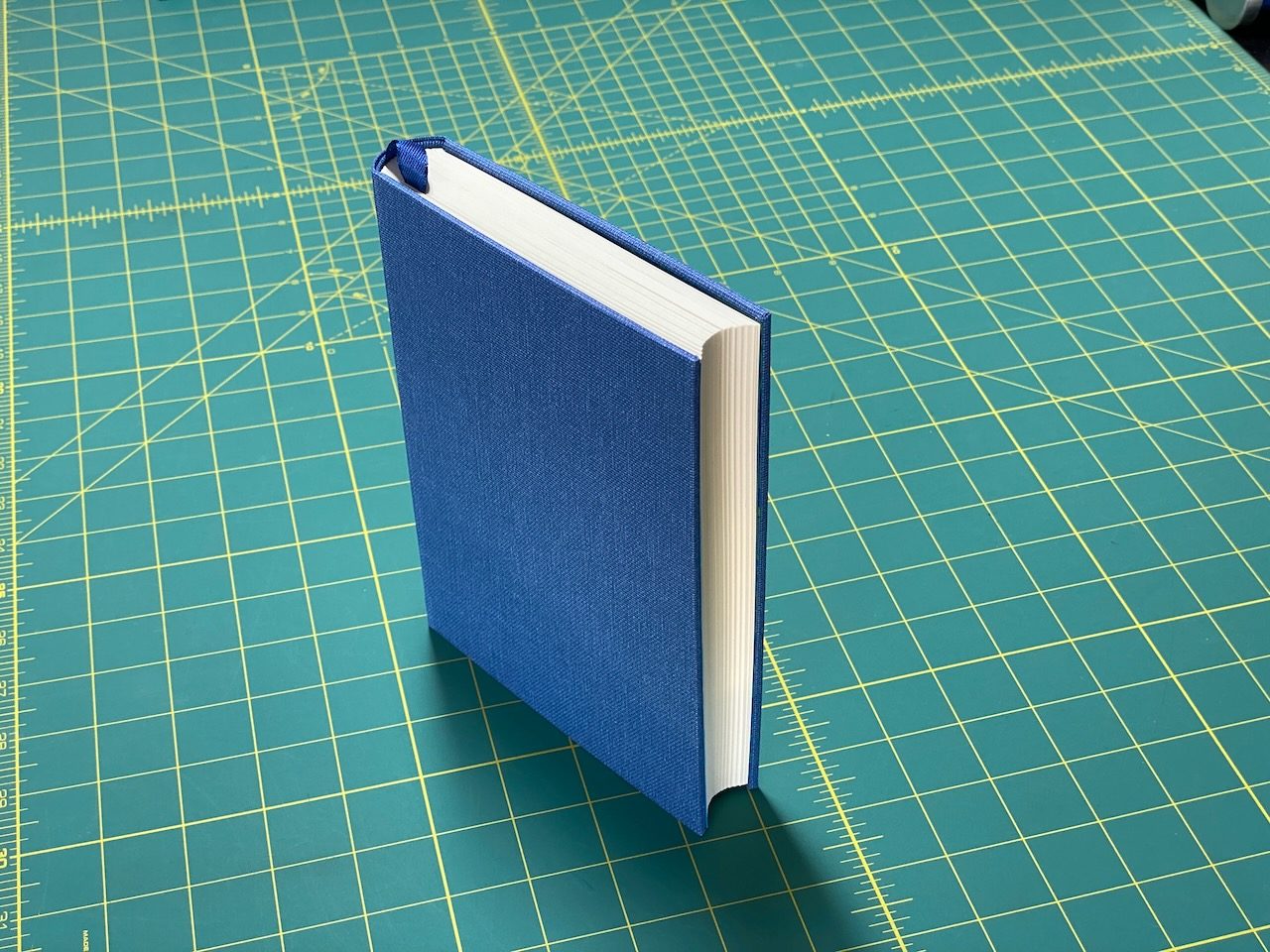
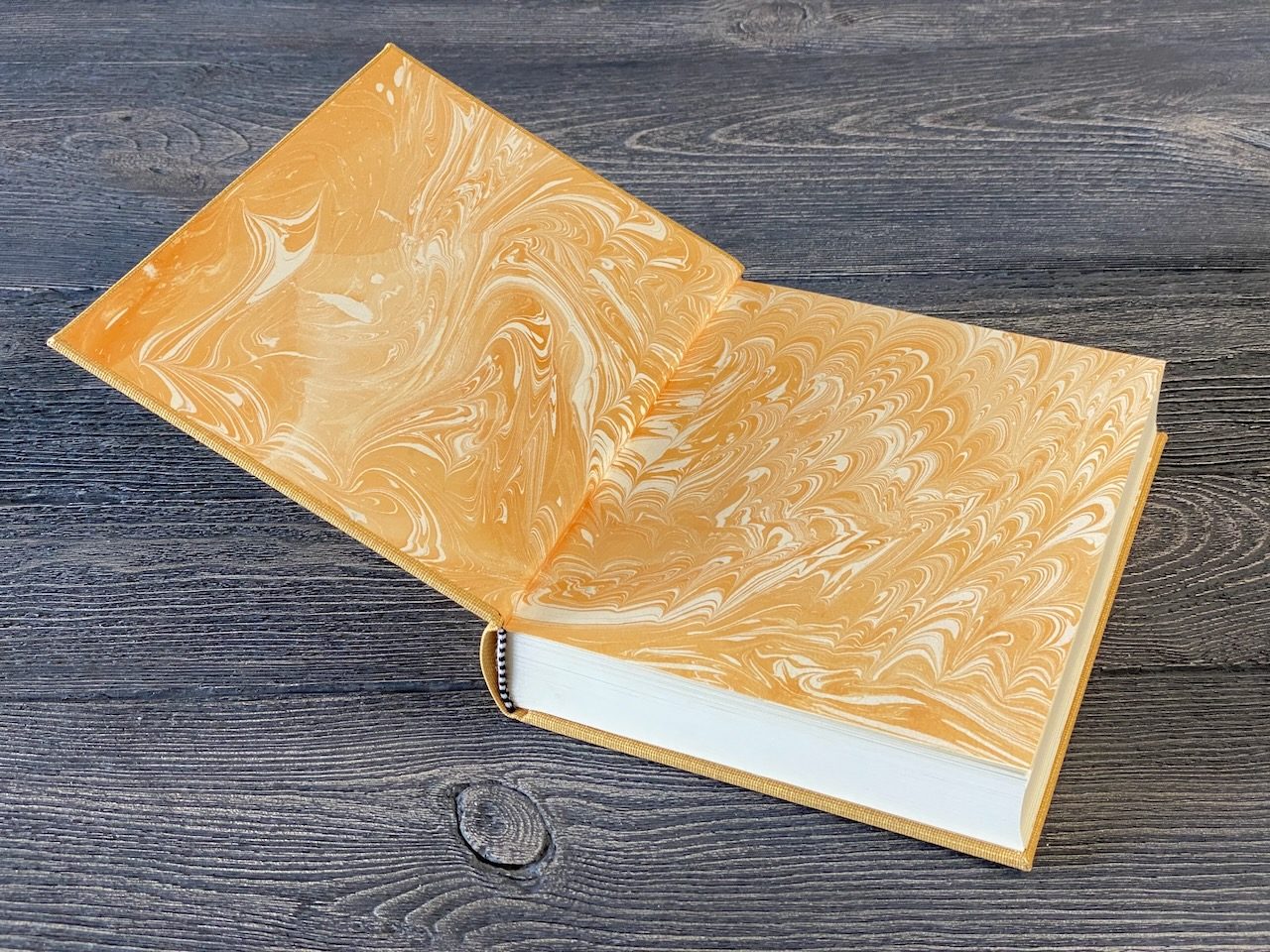
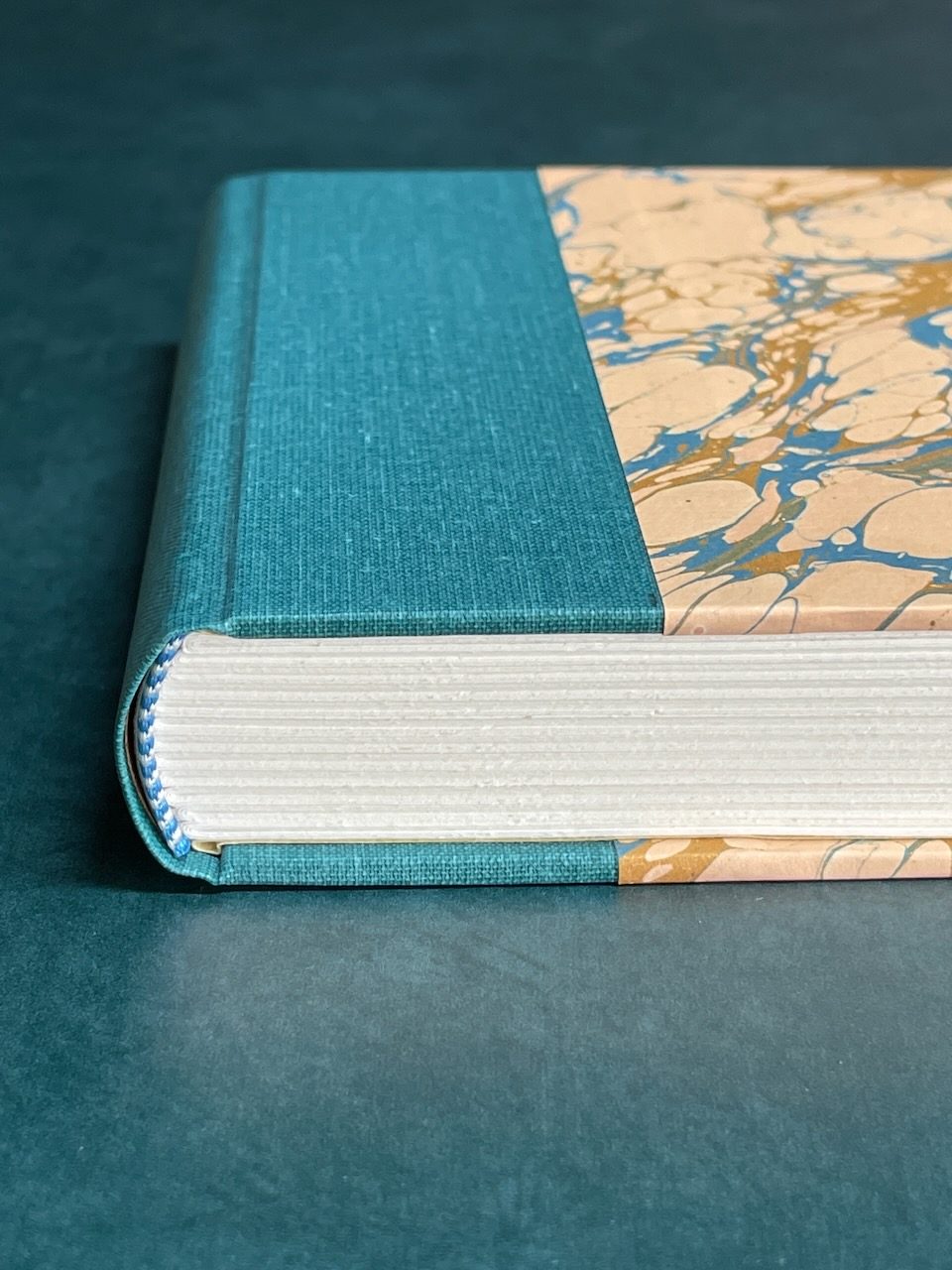
Quarter leather binding with raised bands, hand-sewn on cords and covered in marbled paper.
01 — The Craft
Book Makers Craft was created by Bob Bender to help people discover, understand, and practice the craft of bookbinding — from folding a first signature to understanding when an old family book can be saved.
What it is
Beginner-friendly bookbinding education, traditional hand binding, and book repair and restoration — with thoughtfully selected tools and materials to follow later.
Who it serves
Anyone curious about bookbinding who does not yet know where to begin, plus owners of books with sentimental, family, historical, or practical value.
Why it exists
To make the craft feel organised and reachable while honouring the history, precision, and tradition behind it — and to explain why the tools and techniques matter.
Learn — The Resource Hub
02
Education & Resources
Bookbinding becomes easier to navigate when the language, tools, materials, and foundational skills begin to connect. These resources are designed to help you understand not only what bookbinders use and do — but why.
Education comes before anything is sold here. Learn first; the tools will make sense afterwards.
Ask about workshopsBookbinding terminology and illustrated definitions — signature, spine, board, square, turn-in, headband, and the rest of the vocabulary the craft runs on.
Paper, board, cloth, leather, thread, and adhesives, and how the choices you make in materials shape how a finished book behaves.
What each tool does, when it is genuinely useful, and practical ways to begin without filling a bench with equipment you do not need yet.
Guided skill lessons covering folding, sewing, gluing, pressing, and squaring — the handwork that every structure depends on.
Project-based lessons that take you through a complete book, from first fold to finished binding, with the reasoning explained at each step.
Workshops & Classes
Beginner-friendly workshops are in development: introductory binding projects, handmade journals, basic repair demonstrations, and future community classes. If you would like to be told when dates open, send a note and say what you would like to learn.
Register interest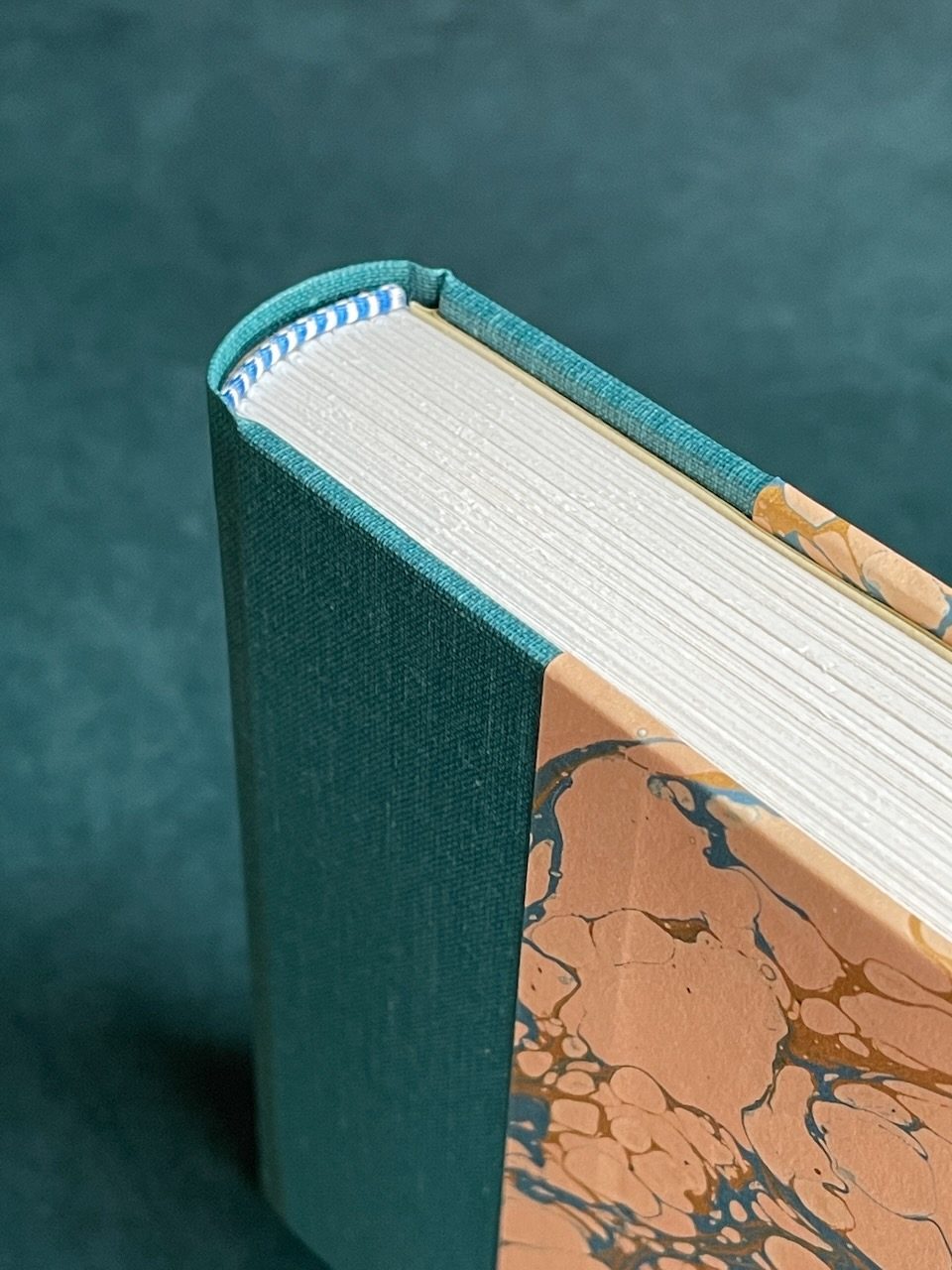
Services
03
Every book is looked at individually, so the approach fits the condition and the purpose of the book rather than a fixed package.
Repair and restoration for books with sentimental, family, historical, or practical value. Condition review, repair consultation, structural repair, stabilisation, and cover or spine repair — with honest guidance on what kind of repair is appropriate.
Beginner-friendly bookbinding workshops and hands-on classes: introductory projects, handmade journals, basic repair demonstrations, and future community classes as the studio develops.
Handmade books, journals, bindings, boxes, and related book arts projects, with emphasis on craftsmanship, materials, and traditional technique.
A future store may offer thoughtfully selected beginner-friendly tools, materials, kits, and supplies. Nothing is for sale yet — this is a direction, not a shop.
Gallery
04
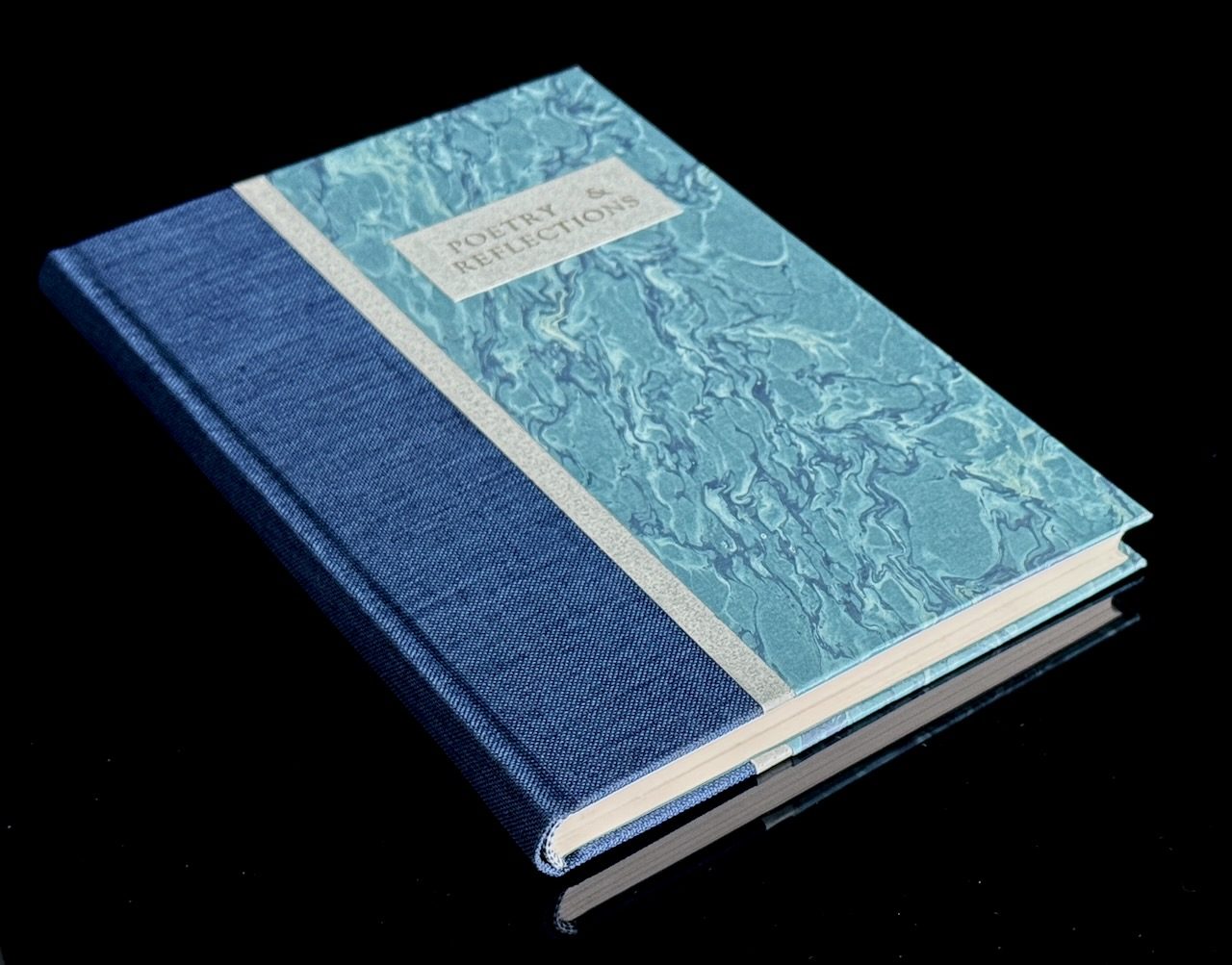
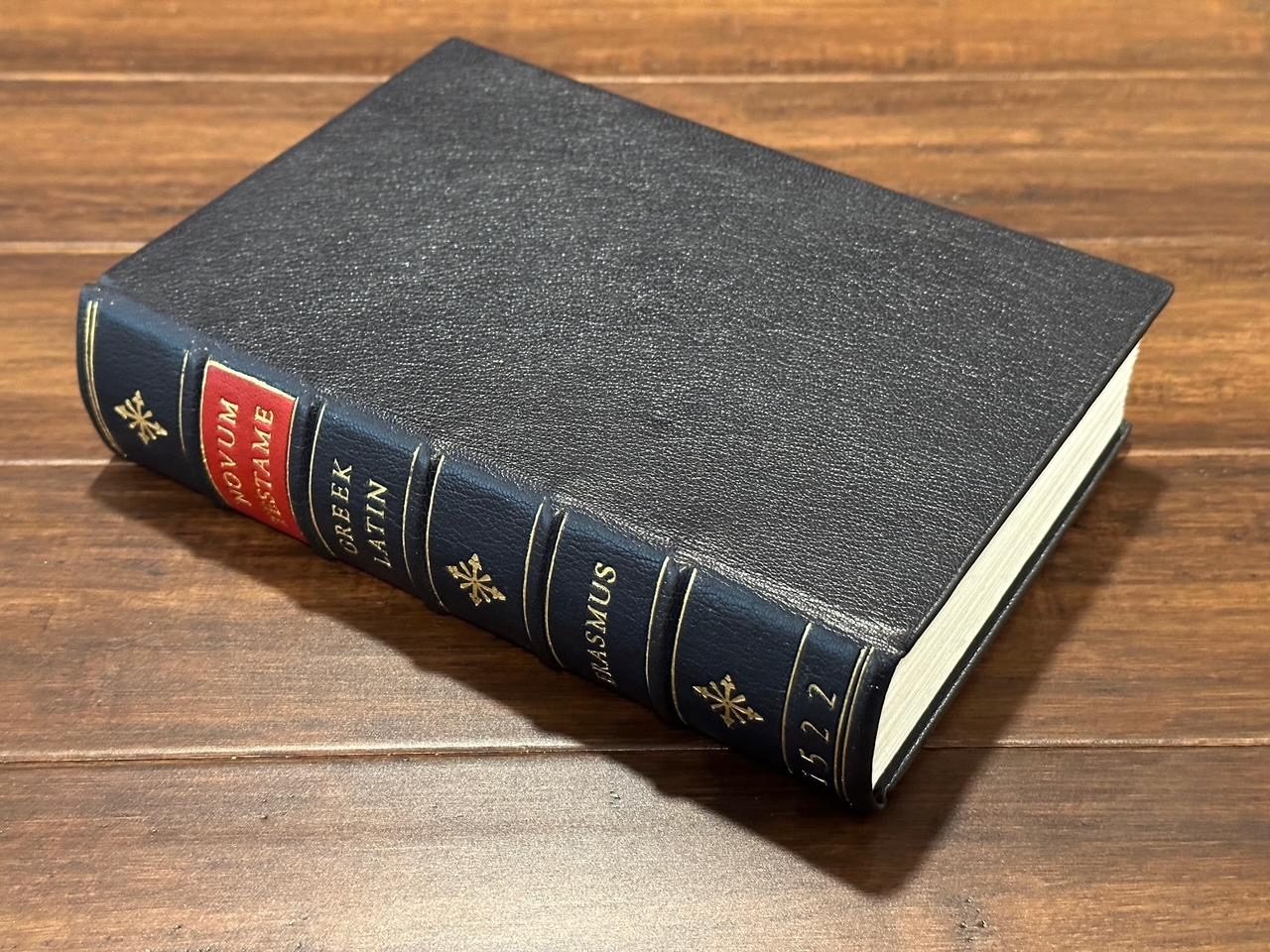
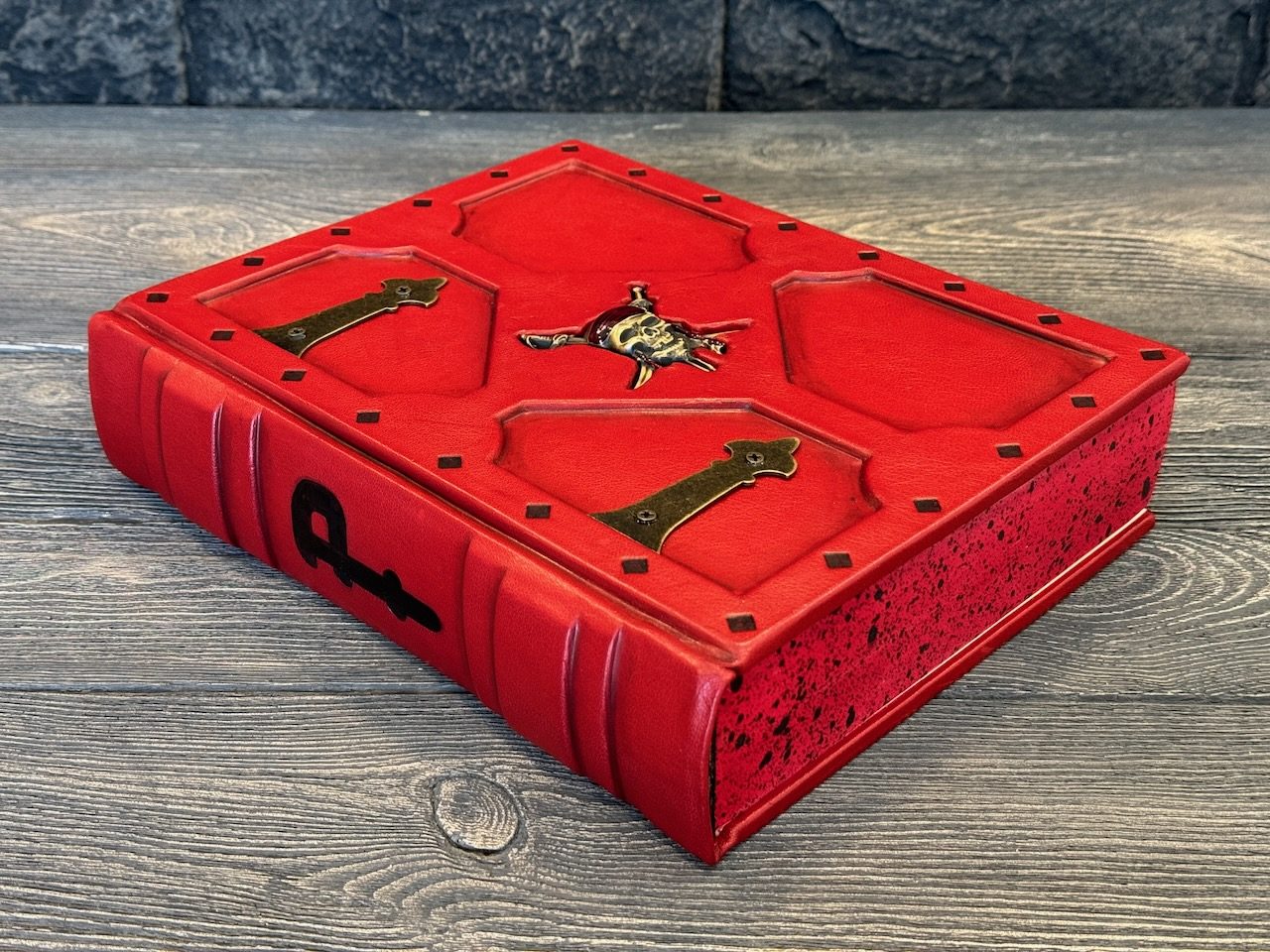
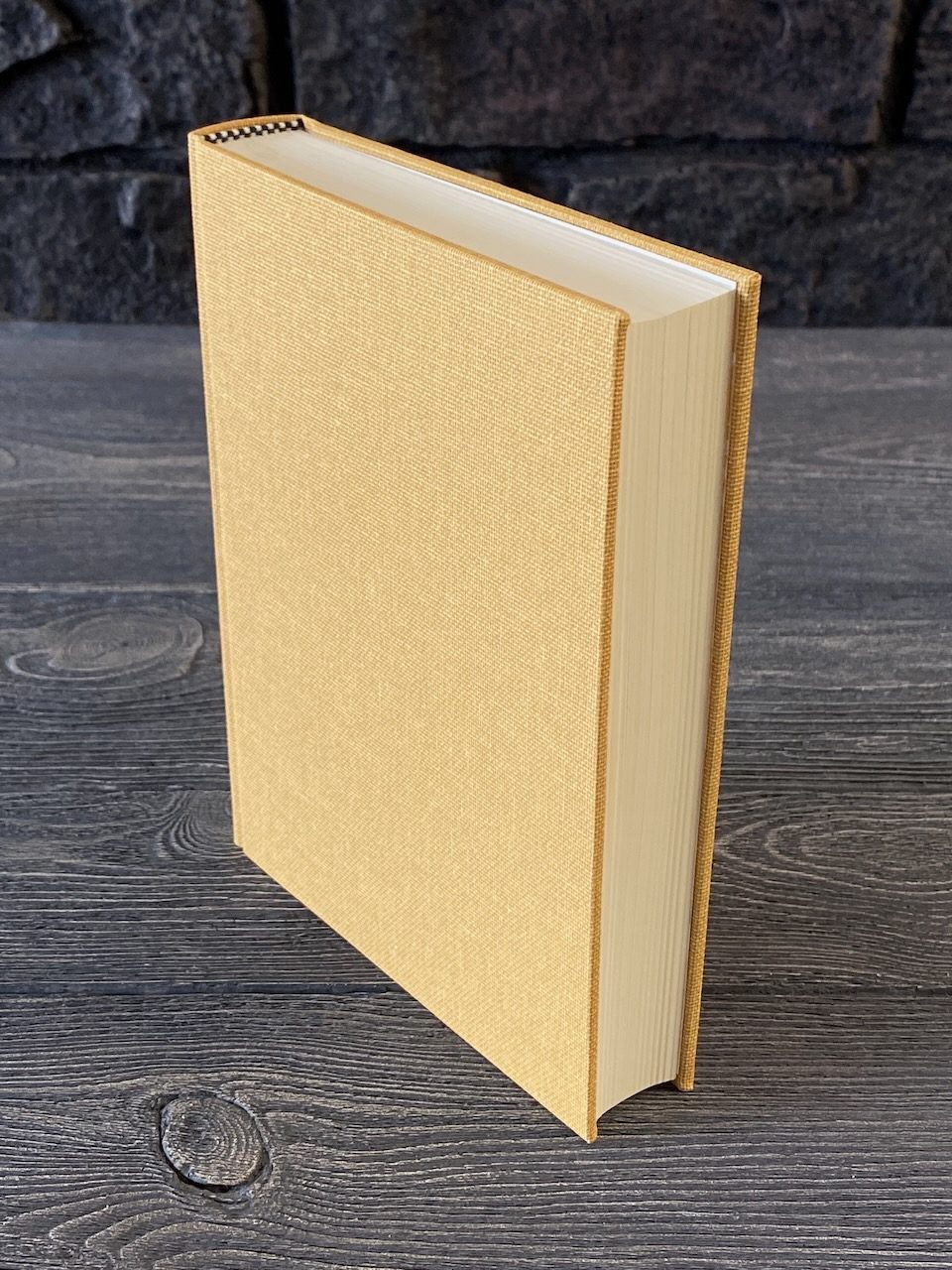
Finished bindings, restoration work, and the process behind them — photographed as they are, on the workbench.
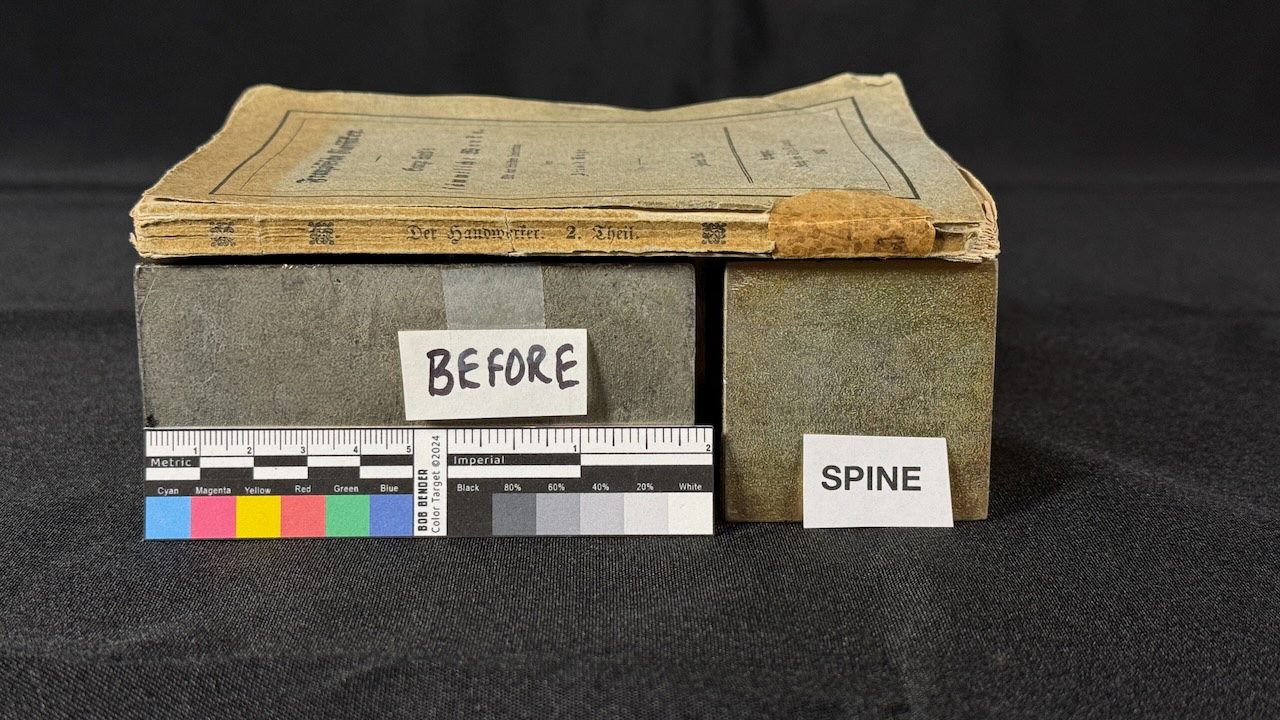
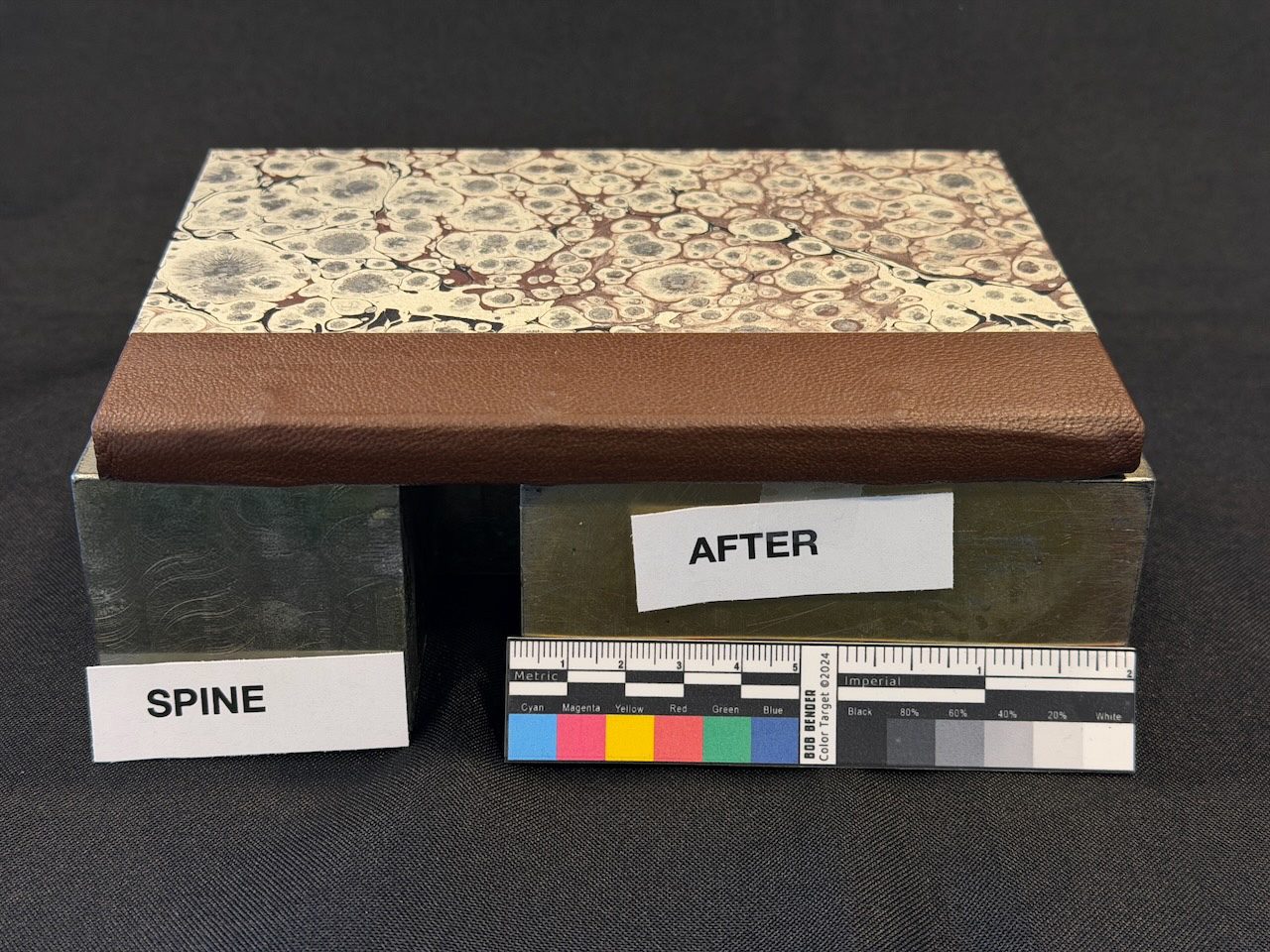
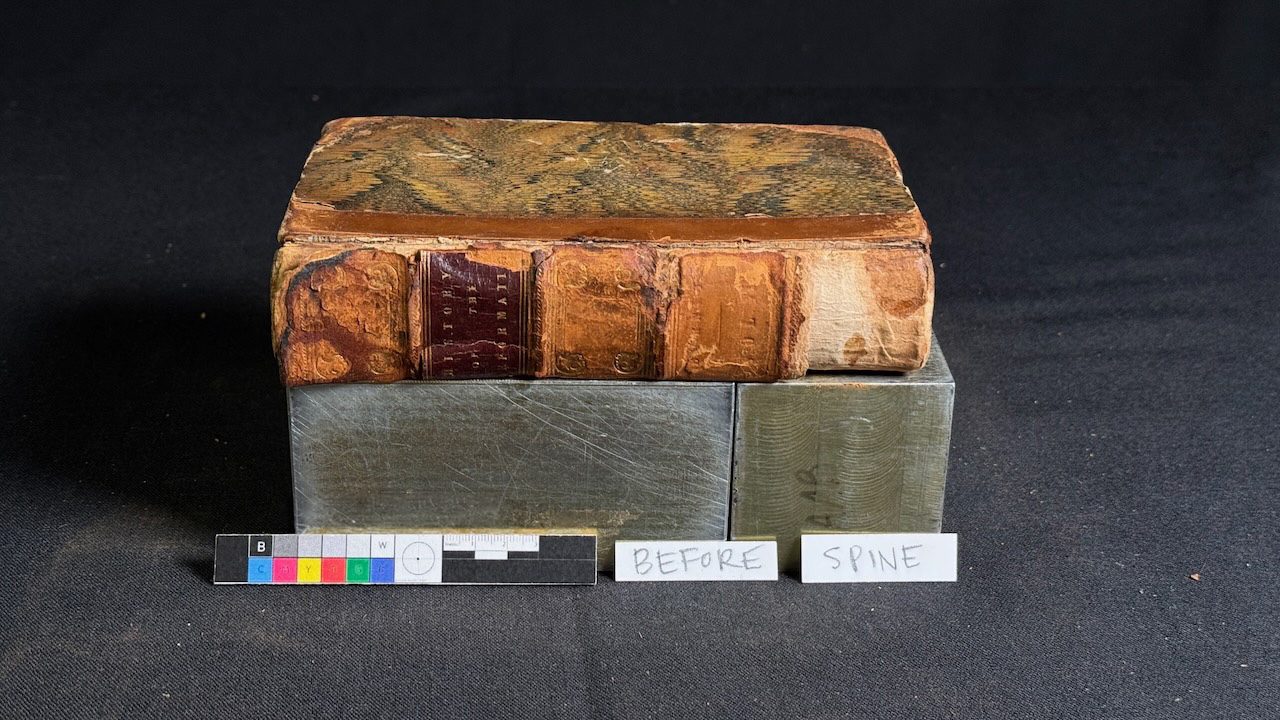
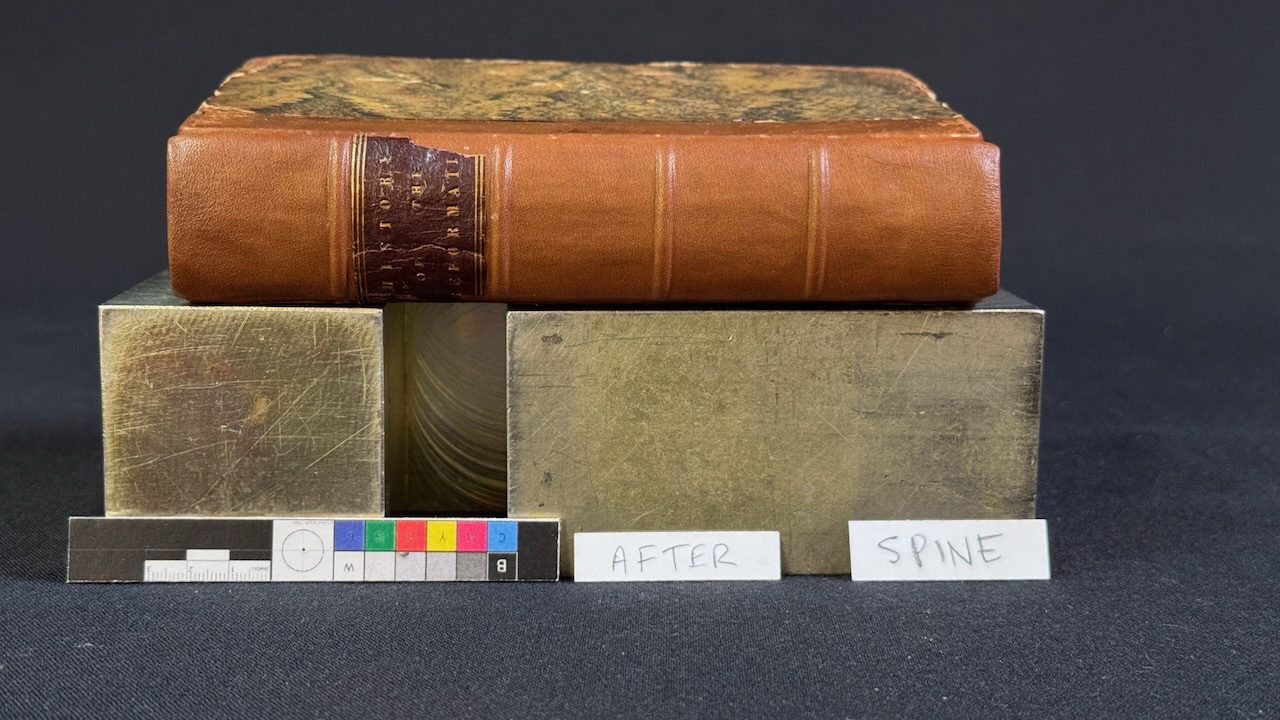
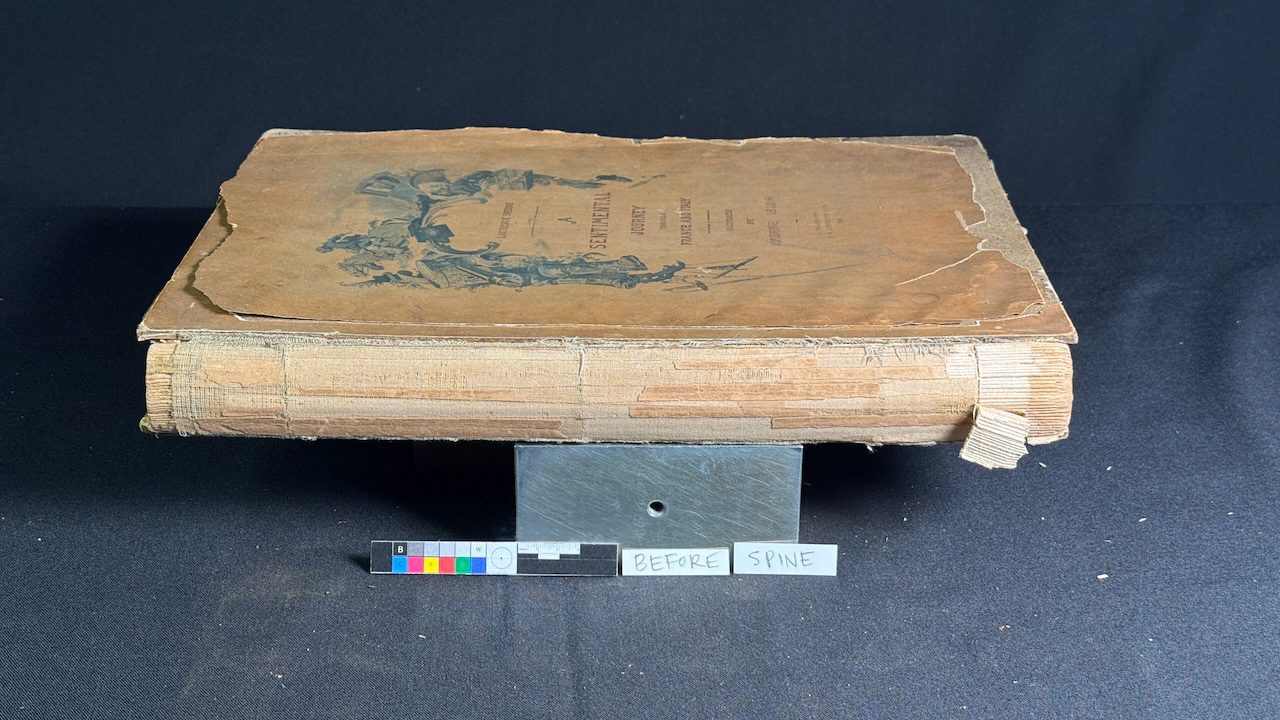
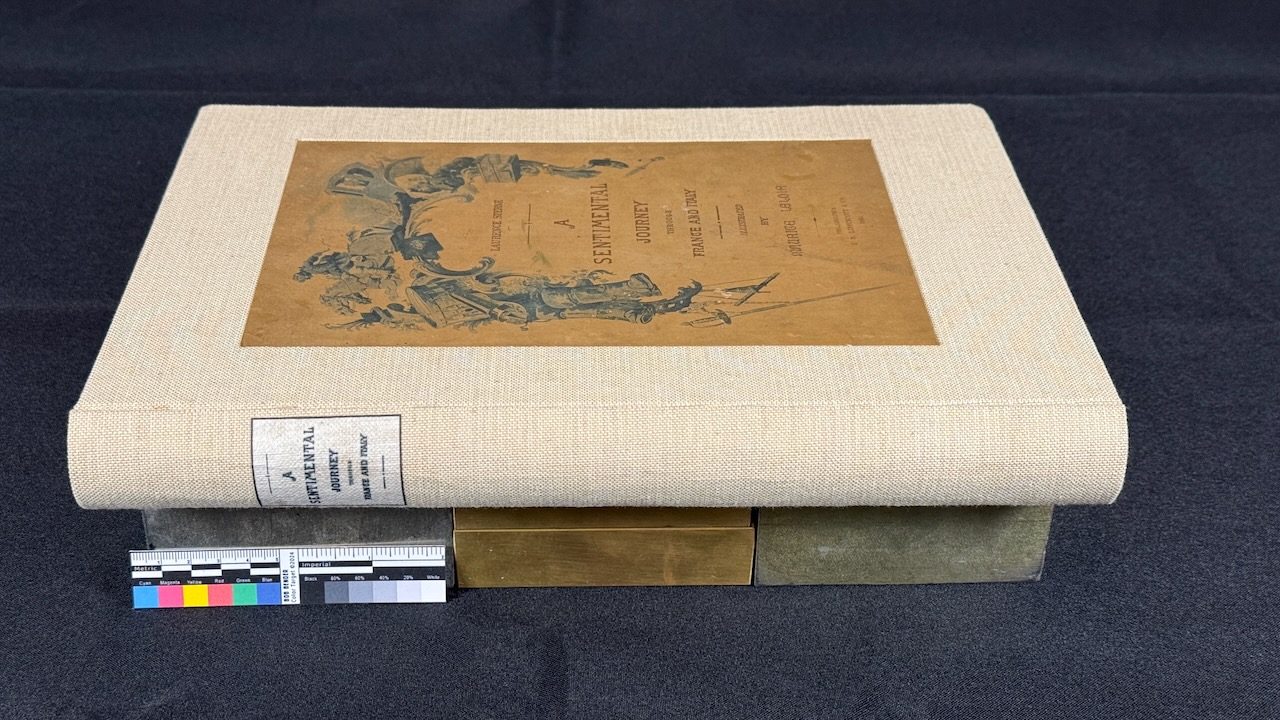
Before & After
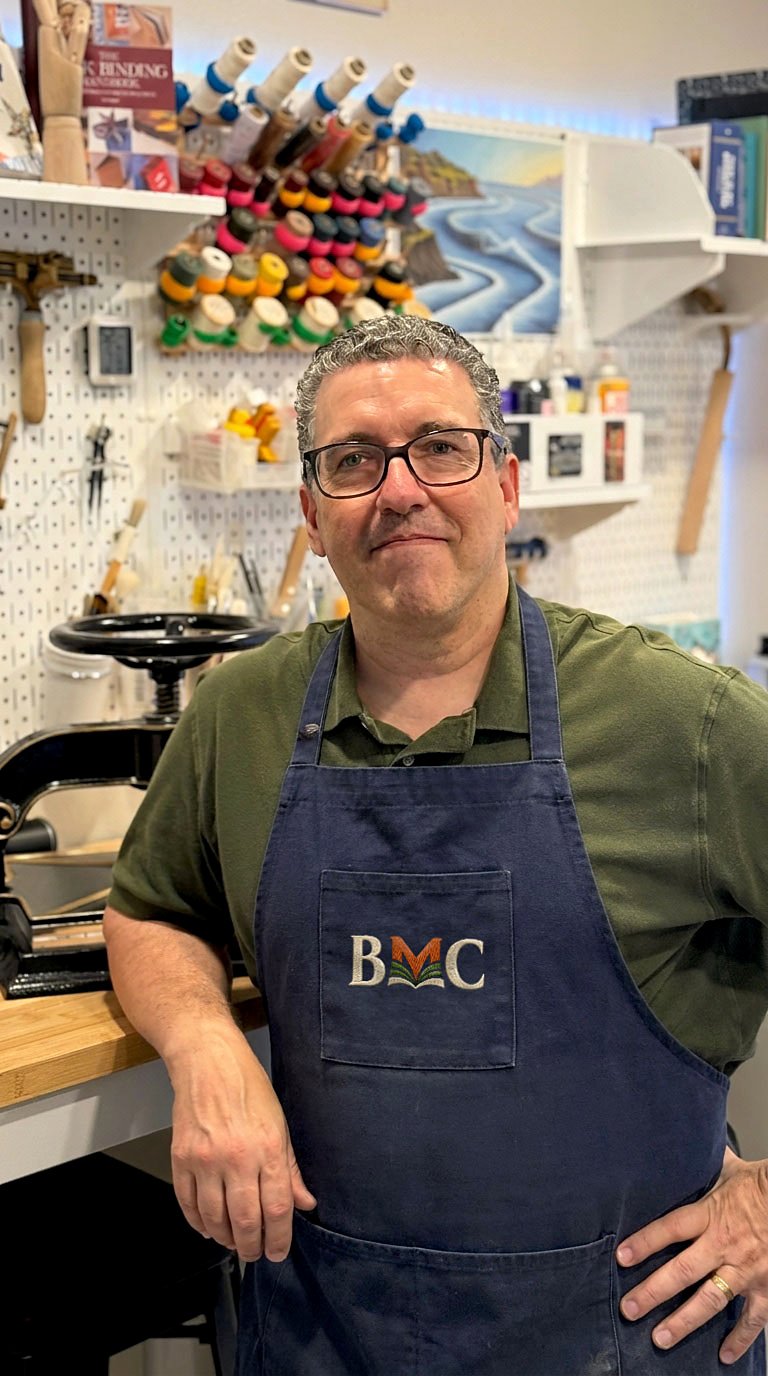
Bob Bender · Founder
Meet the binder
Bob Bender is a bookbinder and book artist who works in traditional hand bookbinding, book repair and restoration, and the wider book arts. Book Makers Craft grew out of a simple observation: people are curious about the craft, but they rarely know where to begin.
His approach is calm and knowledgeable rather than showy. Nothing is assumed of you. Terminology is explained, tools are demystified, and every book brought for repair is assessed on its own terms — with an honest answer about what is appropriate and what is not.
“A book is a structure before it is an object. Once you understand how it holds together, everything else becomes teachable.”
The Repair Process
05
No two books need the same treatment. The process is deliberately unhurried so the decision about what to do is made with you, not for you.
Send a short description and a few photographs — the covers, the spine, and any damage. Say what the book means to you and how you hope to use it afterwards.
The book is assessed in person or from your photographs: structure, sewing, boards, covering material, paper condition, and what is actually failing.
You get a plain explanation of the options — full repair, sympathetic restoration, or simple stabilisation — including when doing less is the better answer.
Repairs are carried out by hand using appropriate materials and traditional technique, with the book's original character kept intact wherever possible.
The finished book is returned with notes on what was done and simple guidance on handling and storage so the repair lasts.
Questions
06
If your question is not here, ask it directly — no question about the craft is too basic.
Start with the language and the materials rather than a project. Once terms like signature, board, square, and turn-in are familiar, the tools and techniques stop feeling arbitrary. The education section is ordered deliberately for exactly this reason.
Often, yes — but the right answer depends on the book. Some books need full structural repair, others only need stabilising so they can be handled safely. Send photographs and a description and you will get an honest assessment, including when repair is not advisable.
Yes. Books with sentimental, family, historical, or practical value are the majority of the repair work. The aim is always to keep the character of the original book rather than make it look new.
There is no fixed price list, because condition varies so widely. Cost is discussed after the condition review, once the appropriate approach is clear and agreed with you.
Beginner-friendly workshops and classes are in development. Register your interest through the contact form and say what you would like to learn — that feedback shapes which sessions are offered first.
Not yet. A future store may offer carefully chosen beginner-friendly tools, materials, and kits. Nothing is for sale at the moment; the focus is education first.
Contact
07
Tell me what you have, what you would like to learn, or what you would like made. Photographs help enormously with repair inquiries.
hello@bookmakerscraft.com
Response
Replies usually within a few days
Studio
Bench work by appointment
Inquiry
This opens your own email app with the message ready to send — you can attach photos there.